← Back to Blog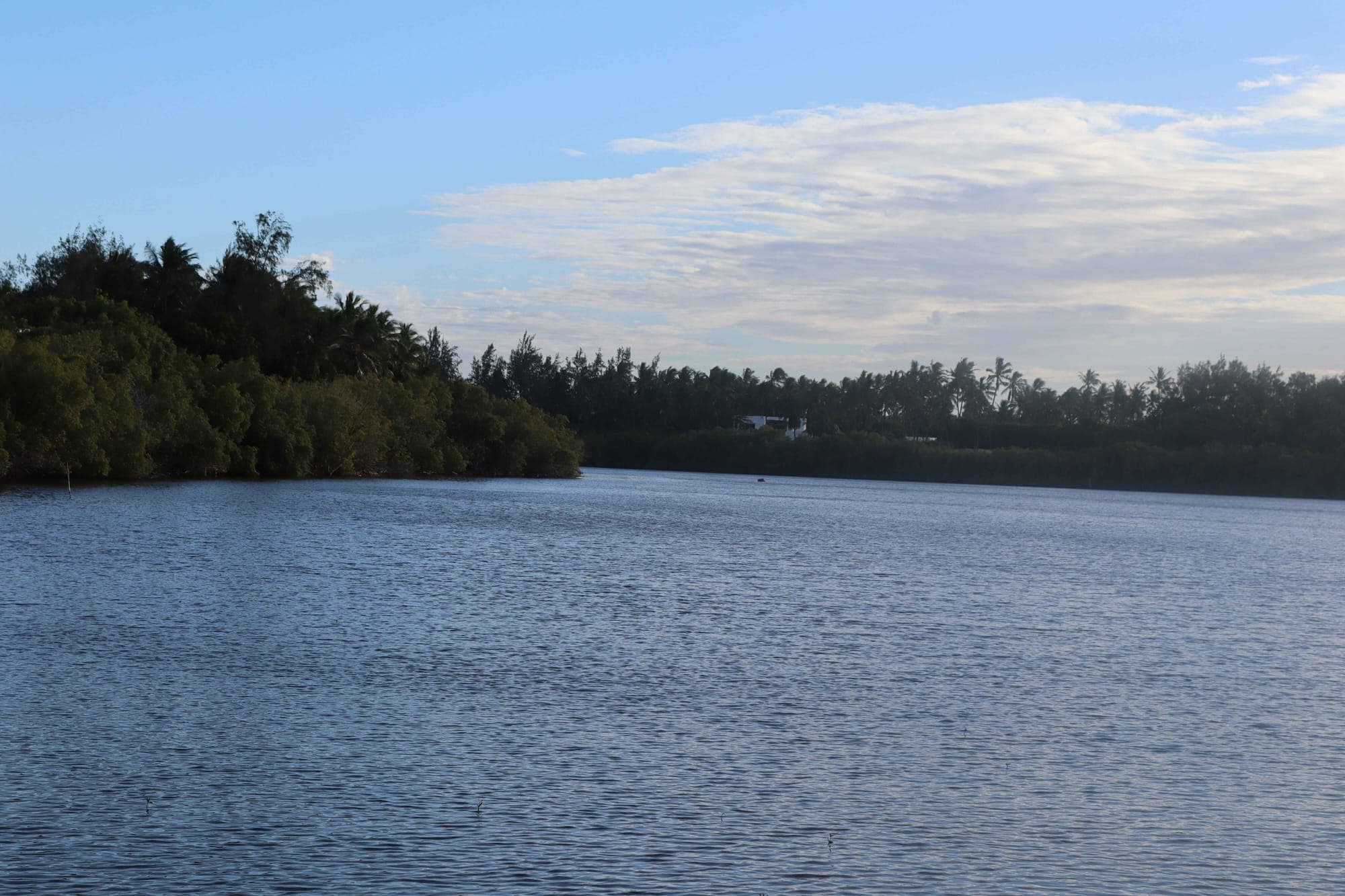
Conservation2 min read
Mangrove Conservation in Kenya: How Prawns Lake is Restoring Nature, One Seedling at a Time
Prawns Lake Team·July 6, 2026
Why Mangrove Restoration Matters
Mangroves are among the most valuable ecosystems on Earth.
Along Kenya's coastline, they serve as natural barriers against erosion while providing breeding grounds for fish, crabs, prawns, and countless marine species.
Healthy mangroves also absorb and store significant amounts of carbon, making them one of nature's most powerful tools in addressing climate change through blue carbon conservation.
Without healthy mangroves, coastal communities face:
Declining fish populations
Coastal erosion
Reduced biodiversity
Increased climate risks
Loss of sustainable livelihoods
This is why mangrove restoration in Kenya has become more important than ever.
Community-Based Conservation That Creates Lasting Change
At Prawns Lake, conservation isn't a project carried out for the community.
It's led by the community.
Since our establishment, local residents have worked together to restore degraded mangrove forests, protect biodiversity, and create sustainable opportunities through conservation.
Our work includes:
Mangrove restoration
Community tree nurseries
Beach clean-up initiatives
Environmental education
Biodiversity monitoring
Sustainable eco-tourism
Community awareness programs
This approach to community-based conservation ensures that environmental protection also improves local livelihoods.
Restoring the Watamu Mangrove Ecosystem
The Watamu mangrove ecosystem supports hundreds of species that depend on healthy coastal habitats.
Every mangrove seedling planted strengthens this ecosystem.
Healthy mangroves provide shelter for juvenile fish.
They improve water quality.
They stabilize the shoreline.
They protect nearby coral reefs by reducing sediment runoff.
Every restoration effort contributes to a stronger and more resilient coastal environment.
Conservation Through Eco-Tourism
One of the most unique aspects of Prawns Lake Watamu is that visitors actively support conservation.
When guests:
Book a kayaking experience
Stay in our accommodation
Enjoy fresh seafood at our restaurant
Participate in guided nature walks
they directly contribute to ongoing conservation work.
This model of eco-tourism in Kenya proves that tourism can protect nature while supporting local communities.
Every visitor becomes part of the conservation story.
Education Creates Future Conservation Leaders
Protecting the environment starts with knowledge.
That's why Prawns Lake welcomes schools, universities, researchers, and conservation organizations throughout the year.
Students don't simply learn about mangroves in a classroom.
They experience them firsthand.
They plant seedlings.
They observe biodiversity.
They understand the role mangroves play in protecting Kenya's coastline.
Environmental education ensures conservation continues long into the future.
Conservation Benefits Everyone
Healthy mangrove forests create benefits that extend far beyond the coastline.
Communities benefit from stronger fisheries.
Businesses benefit from sustainable tourism.
Researchers gain access to valuable ecosystems.
Visitors experience one of Kenya's most beautiful natural environments.
Nature flourishes.
People thrive.
This is what sustainable conservation looks like.
Visit Prawns Lake and Be Part of the Solution
Every visit makes a difference.
Whether you're looking for a peaceful getaway, a kayaking adventure through the mangroves, a research destination, or an opportunity to support environmental conservation in Kenya, Prawns Lake offers an experience with purpose.
Together, we can restore ecosystems.
Protect biodiversity.
Strengthen communities.
And preserve Kenya's coastal heritage for generations to come.
Because conservation isn't just about protecting nature.
It's about protecting our future.