Why Mangroves Matter
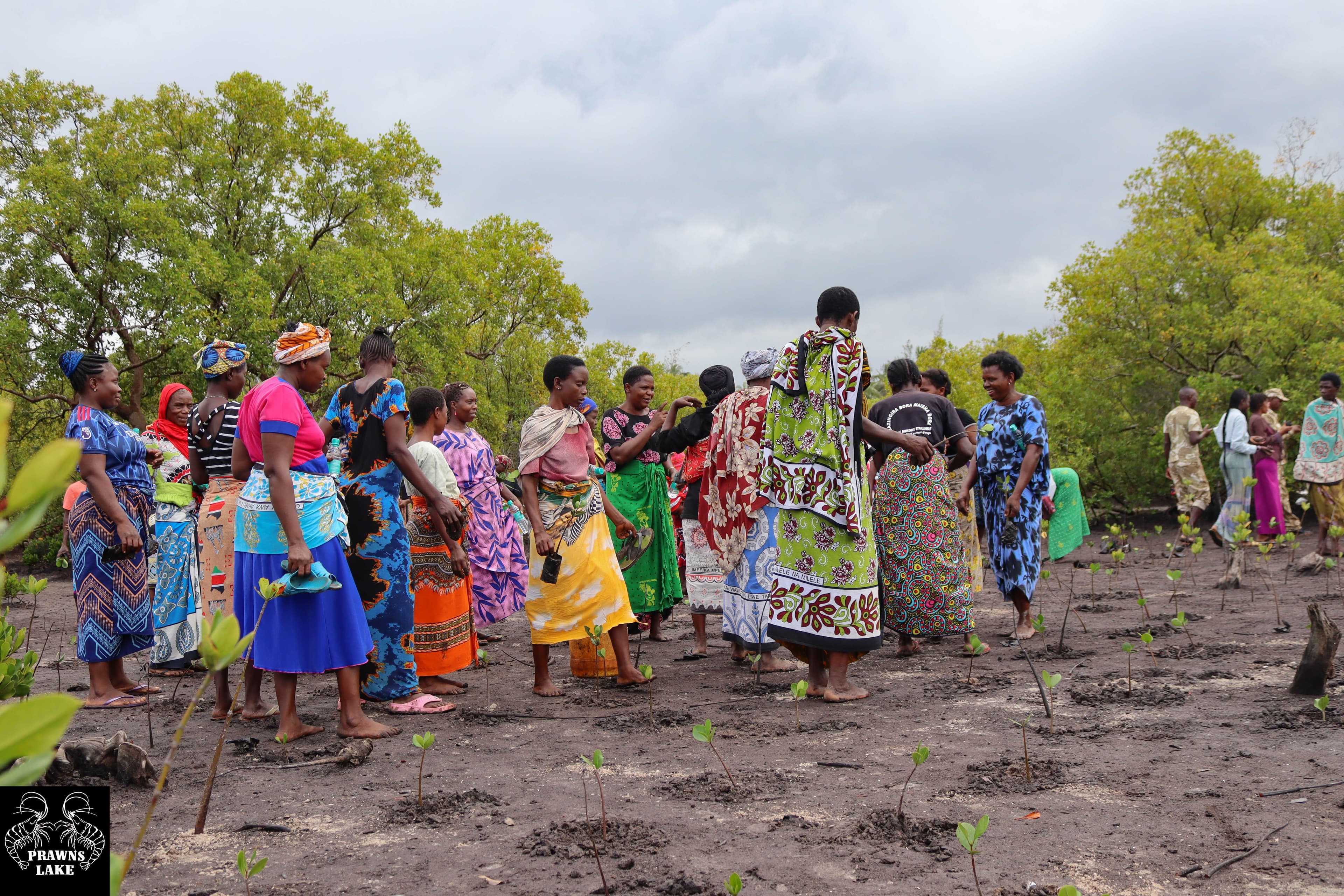
Mangroves are among the most productive ecosystems on Earth and serve as vital nurseries for fish and prawns that sustain coastal livelihoods.
In Watamu, they protect our coastline from erosion, storm surges, and coastal degradation while supporting the communities that depend on them.
They are also powerful carbon sinks sequestering more CO₂ per hectare than most terrestrial forests.
Our Conservation Programs
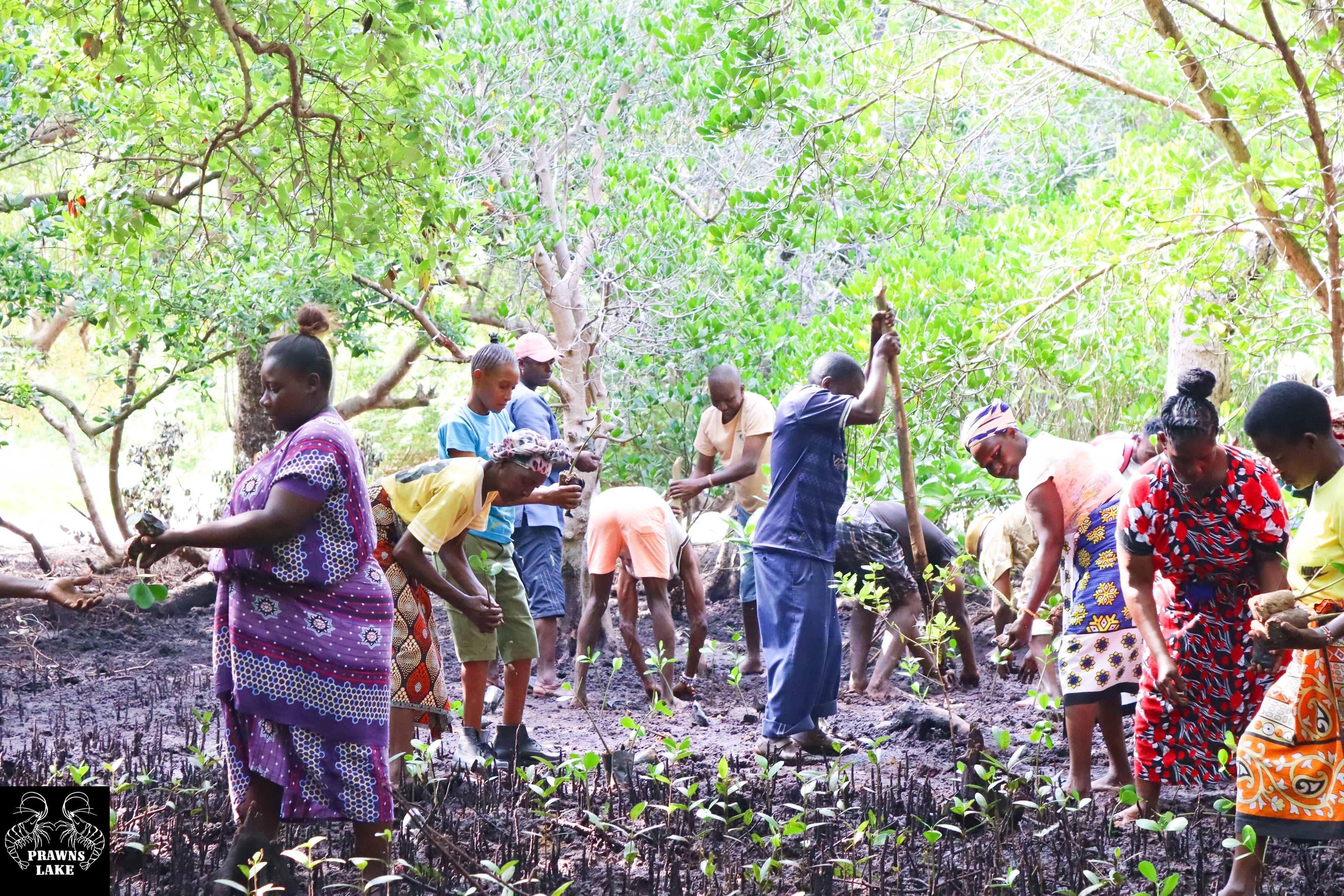
Mangrove Restoration
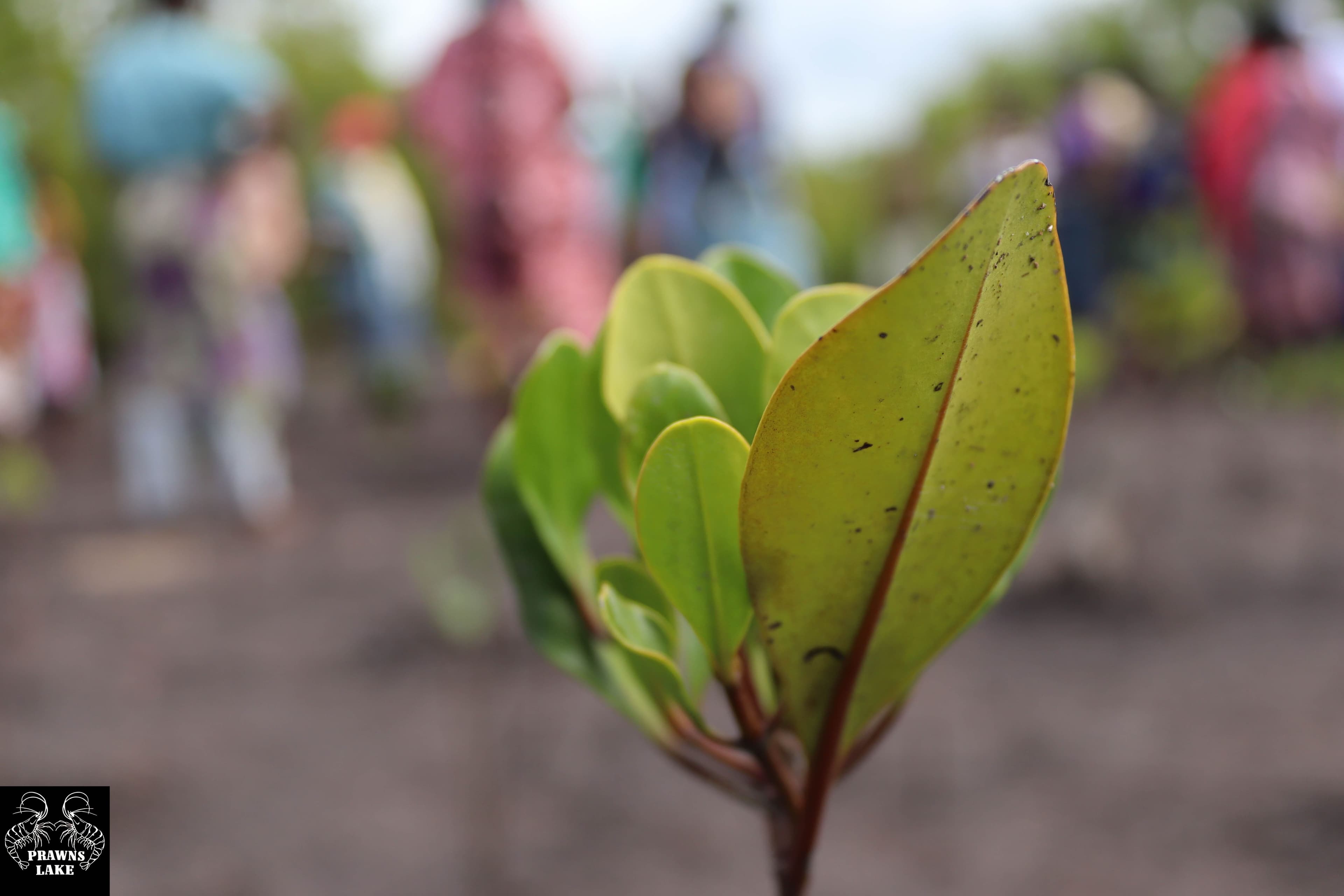
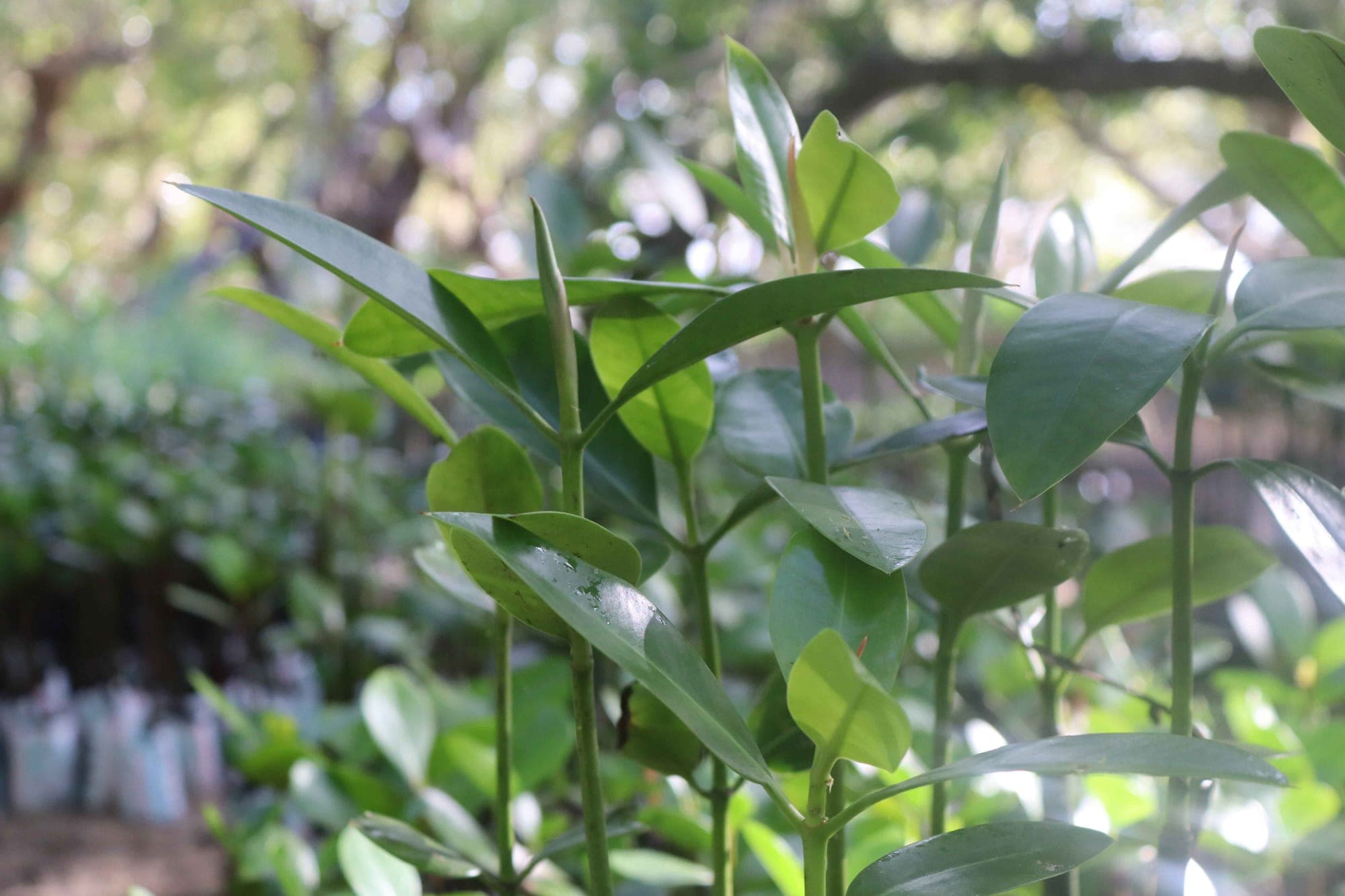
Propagating and planting native species including Rhizophora mucronata, Avicennia marina, and Ceriops tagal.
Seedlings planted
Creek Cleanups
Monthly community cleanups remove plastic waste, fishing debris, and pollutants from the creek and mangrove channels.
Cleanups completed
Community Nursery
Local women and youth raise seedlings, monitor growth rates, and conduct experiments on propagation techniques.
Seedlings in nursery
Biodiversity Protection
We monitor fish populations, prawns diversity, bird sightings, and invertebrate communities.
Species recorded
Nature-Based Solutions
Mangrove restoration buffers storm surges, prevents coastal erosion, and sequesters carbon.
Tons CO2 sequestered
Patrol & Monitoring
Community rangers patrol the creek to prevent illegal cutting and monitor ecosystem health.
Days monitored yearly
From Seedling to Forest
Collect Propagules
We collect healthy propagules from surviving mother trees during the natural fruiting season.
Nurture in Nursery
Propagules are raised in our community nursery for 3–6 months with daily care.
Site Preparation
Degraded sites are assessed for tidal flow, sediment quality, and accessibility.
Plant & Monitor
Community teams plant seedlings and monitor survival, growth, and biodiversity return.
Measurable Impact
Numbers That Tell a Story
Mangrove Seedlings Planted
Hectares Restored
Community Cleanups
Species Recorded
Research & Monitoring
Prawns Lake serves as a living laboratory for mangrove ecology, blue carbon sequestration, and community-based conservation science.
We welcome researchers and students from Kenyan universities and international institutions for fieldwork, long-term studies, and capacity building.
Trusted Collaborative Network
Working together with leading organizations to restore mangroves and empower communities.




Mangrove Conservation FAQs
Why mangroves matter, how restoration works, and how to support it.
Why are mangroves important in Watamu?
Mangroves protect Watamu's coastline from erosion and storm surges, act as nurseries for the fish and prawns that local fishers depend on, and store more carbon per hectare than most land forests.
Which mangrove species does Prawns Lake plant?
Prawns Lake propagates and plants native East African mangrove species, including Rhizophora mucronata, Avicennia marina and Ceriops tagal, choosing species to suit each site's tidal flow and sediment.
How does mangrove restoration at Prawns Lake work?
Restoration follows four steps: collecting healthy propagules from mother trees, raising them in the community nursery for 3–6 months, preparing degraded sites, and planting and monitoring survival and biodiversity return.
Who carries out the conservation work?
The work is led by members of the Dabaso community, a registered community-based organisation founded in 2008. Local women and youth run the nursery, and community rangers patrol Mida Creek against illegal cutting.
How can I support mangrove restoration?
You can donate by M-Pesa to Paybill 522522, Account 6003984, or simply visit: every kayak tour, meal and night's stay funds planting and cleanups. Organisations can also partner with or sponsor the project.
Help Us Grow the Forest
Your support plants mangroves, funds cleanups, and strengthens community-led conservation in Watamu.